

Adriana Gabrian plays a violin by
Nicolò Amati
1662, Cremona
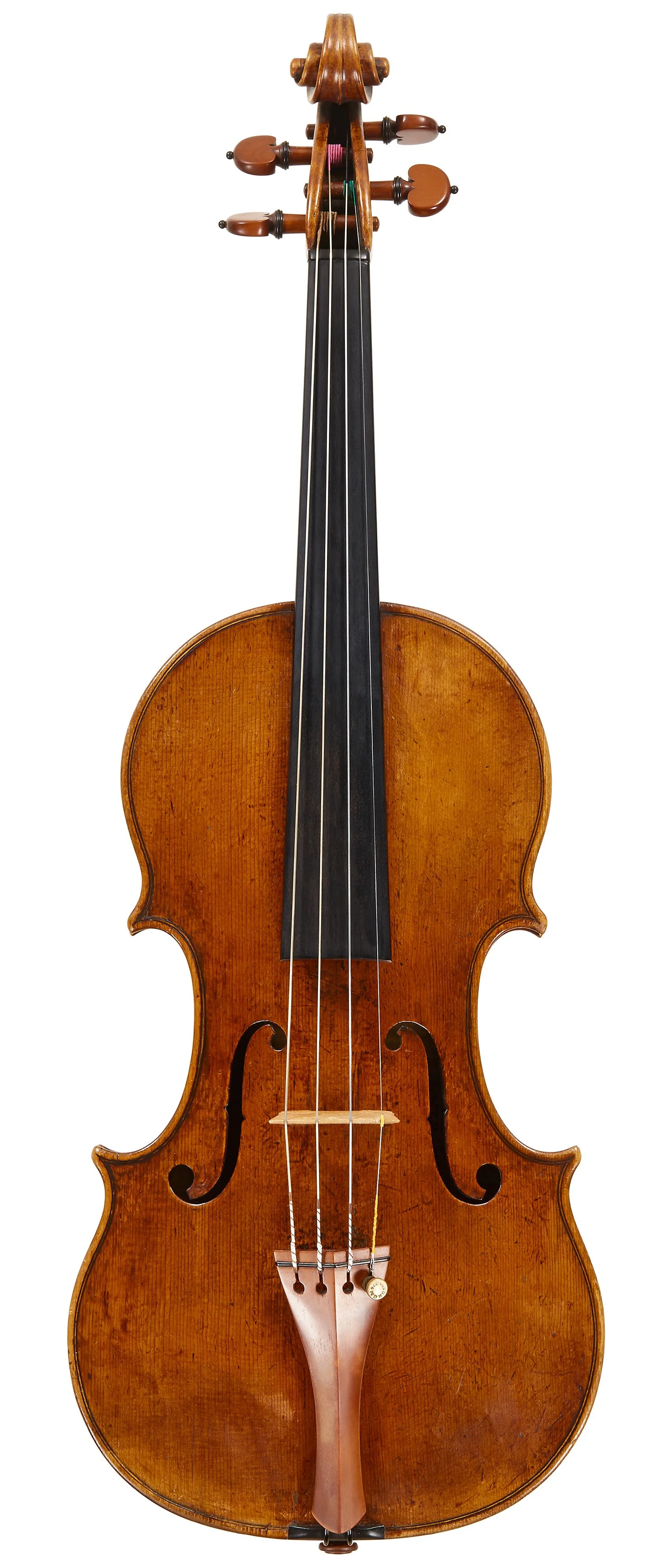
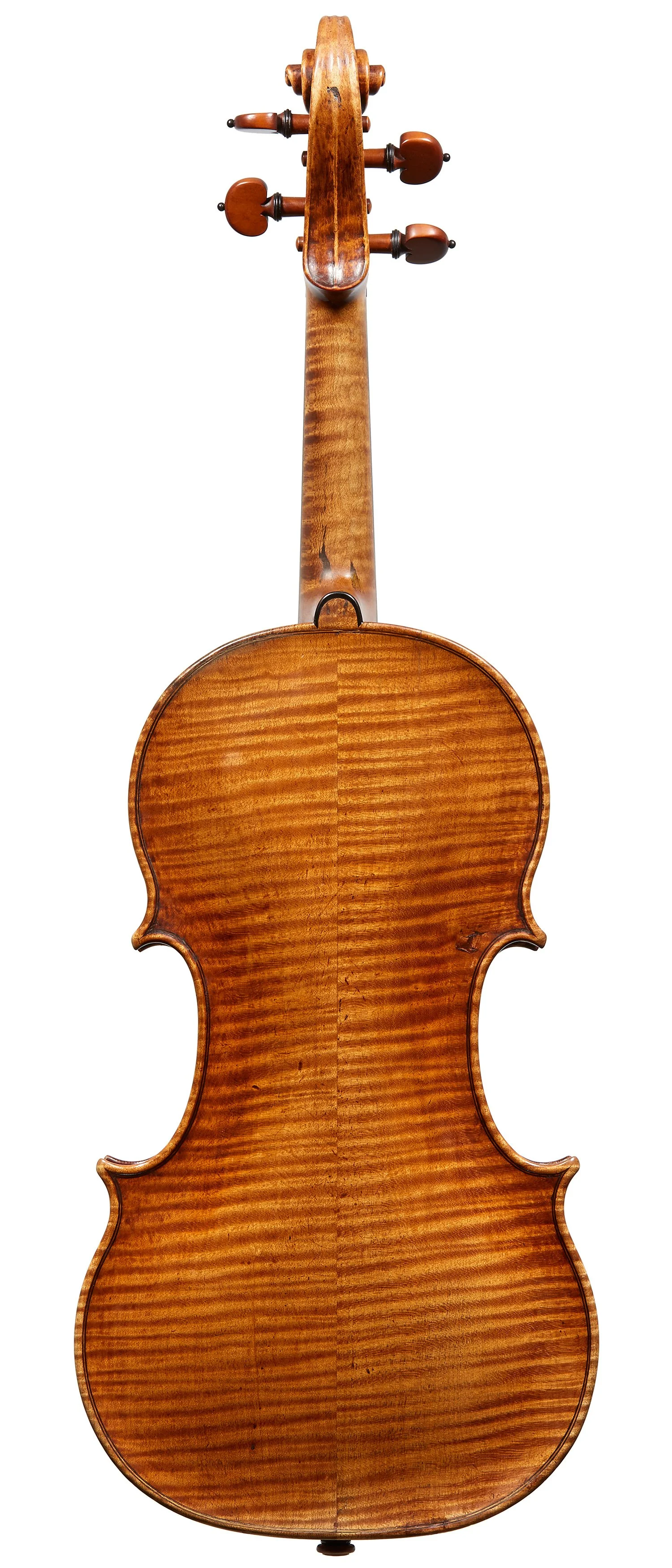
The 1662 violin by Nicolò Amati is regarded as an outstanding example of Cremonese violin making and embodies the golden age of one of the most influential workshops in the history of music. Nicolò Amati himself is considered one of the defining figures of the classical Cremonese school. As a teacher, he influenced generations of renowned violin makers – including Antonio Stradivari – and thus helped lay the foundations for the “Golden Age” of violin making.
The history of this particular instrument can be traced back to the 1940s. In 1941, the London dealer Cyril Jacklin had the violin certified, and in 1942 he sold it to Gerald Segelman for £500. The instrument is considered a highly characteristic and exceptionally well-preserved example of Amati’s work, featuring a distinctively narrow back and a slightly unusually long pegbox.
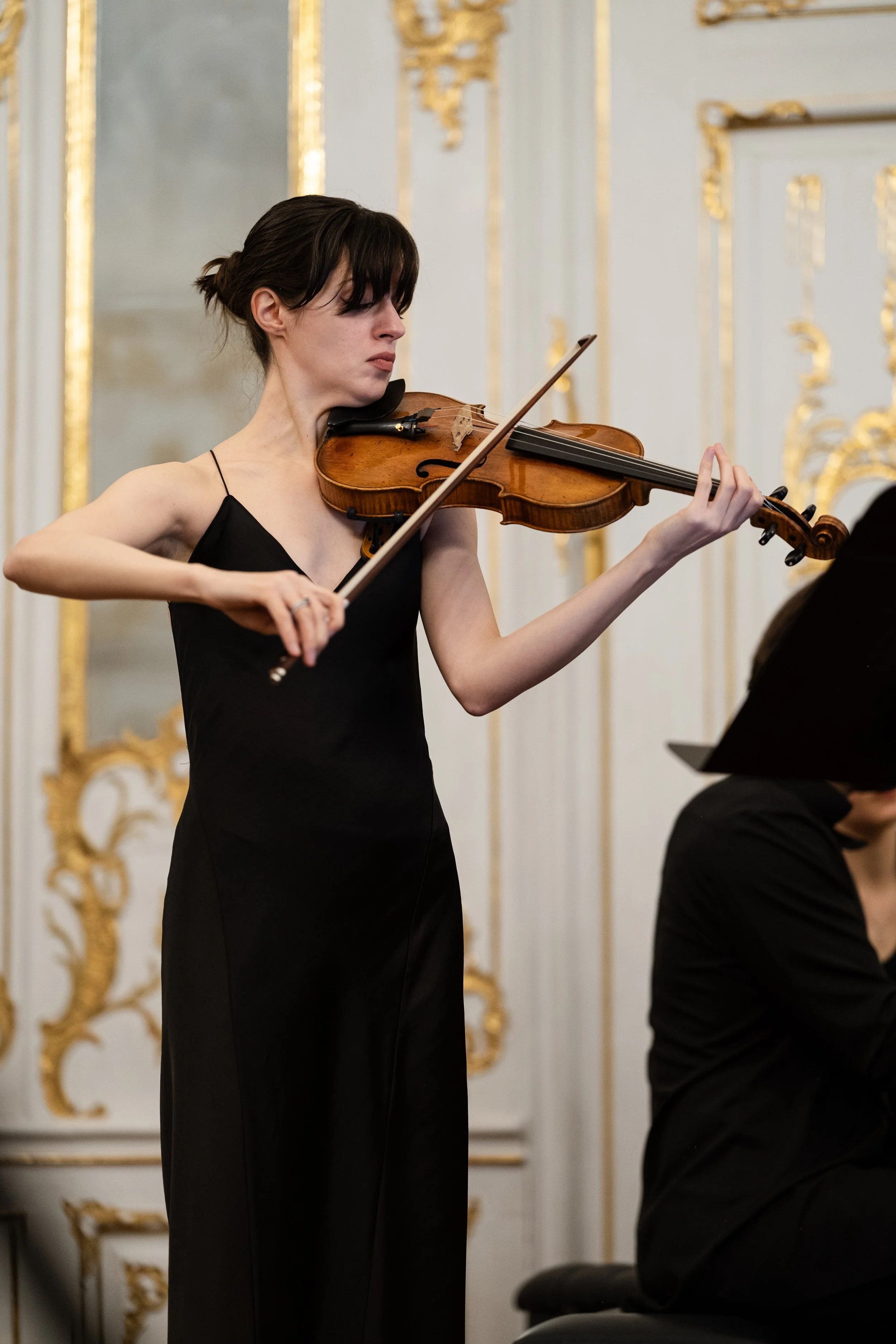
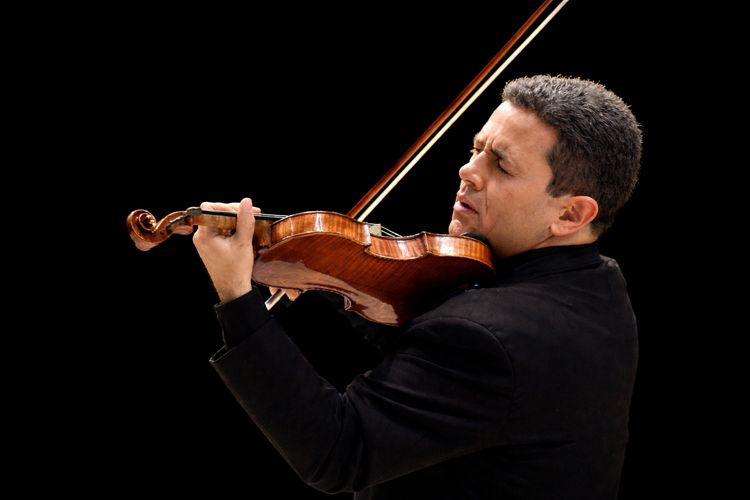
Violinist Adriana Gabrian demonstrates just how alive this heritage remains today. She describes the unique character of historic instruments as a musical partnership and compares their potential to that of a high-performance car: “It feels like a Ferrari – there are no limits.”
Photos Amati: © Ingles & Hayday, London
Photo Adriana Gabrian: Daria Zavidonova
Dmitry Smirnov played a violin by
Jean-Baptiste Vuillaume
c. 1848-50, Paris
Jean-Baptiste Vuillaume (1798–1875) came from a long-established family of violin makers in Mirecourt and moved to Paris in 1818, where he quickly became the most important French violin maker of the 19th century. He combined exceptional craftsmanship and precision with an intensive study of the great Italian masters, particularly Stradivari and Guarneri del Gesù, whose models he reproduced in large numbers – sometimes so perfectly that even connoisseurs such as Paganini could scarcely distinguish his copies from the originals.
In 1855, Vuillaume acquired 144 Italian instruments from the estate of the collector Luigi Tarisio, including 24 Stradivari violins, establishing himself as Europe’s foremost dealer in string instruments. His own instruments are distinguished by their rich reddish varnish and meticulous workmanship, often modelled on Guarneri or Stradivari. During his most productive period, in the 1860s, more than 3,000 numbered instruments were produced by his workshop.
Vuillaume instruments continue to be played by renowned musicians to this day, including Hilary Hahn and Joseph Joachim, and are widely regarded as the most important French violins of the 19th century.
Amia Janicki plays a violin by
Nicolò Amati
1645, Cremona
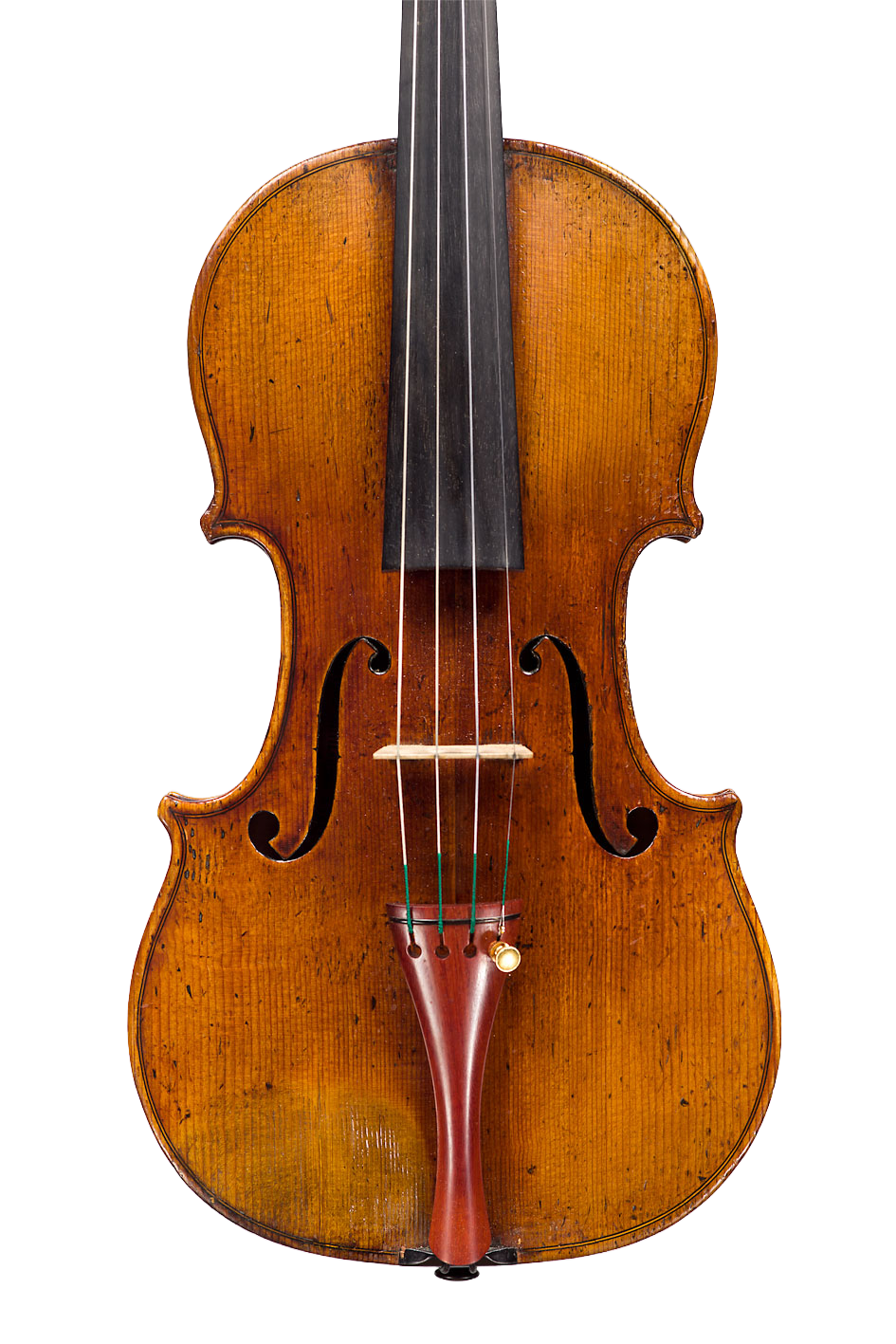
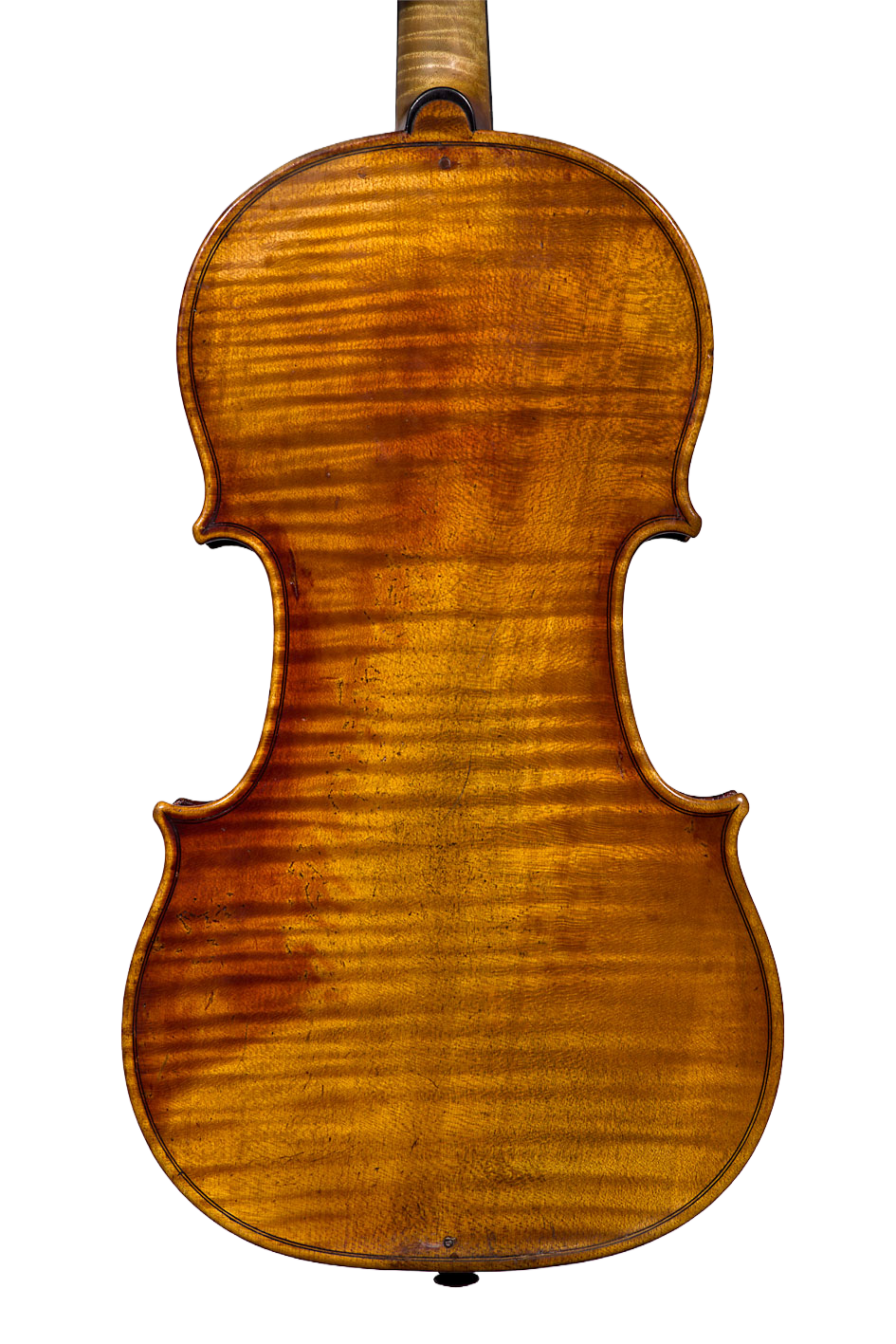
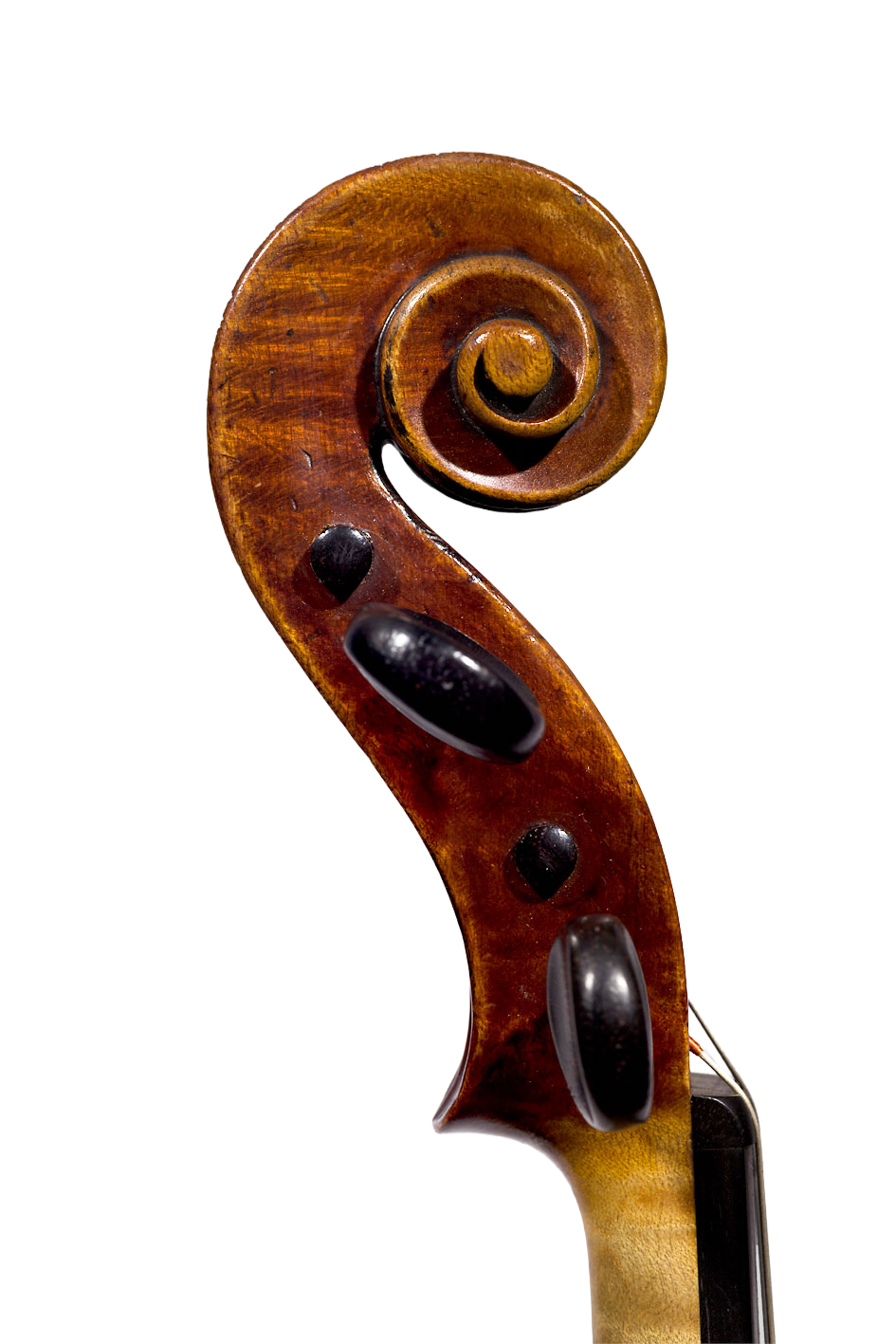
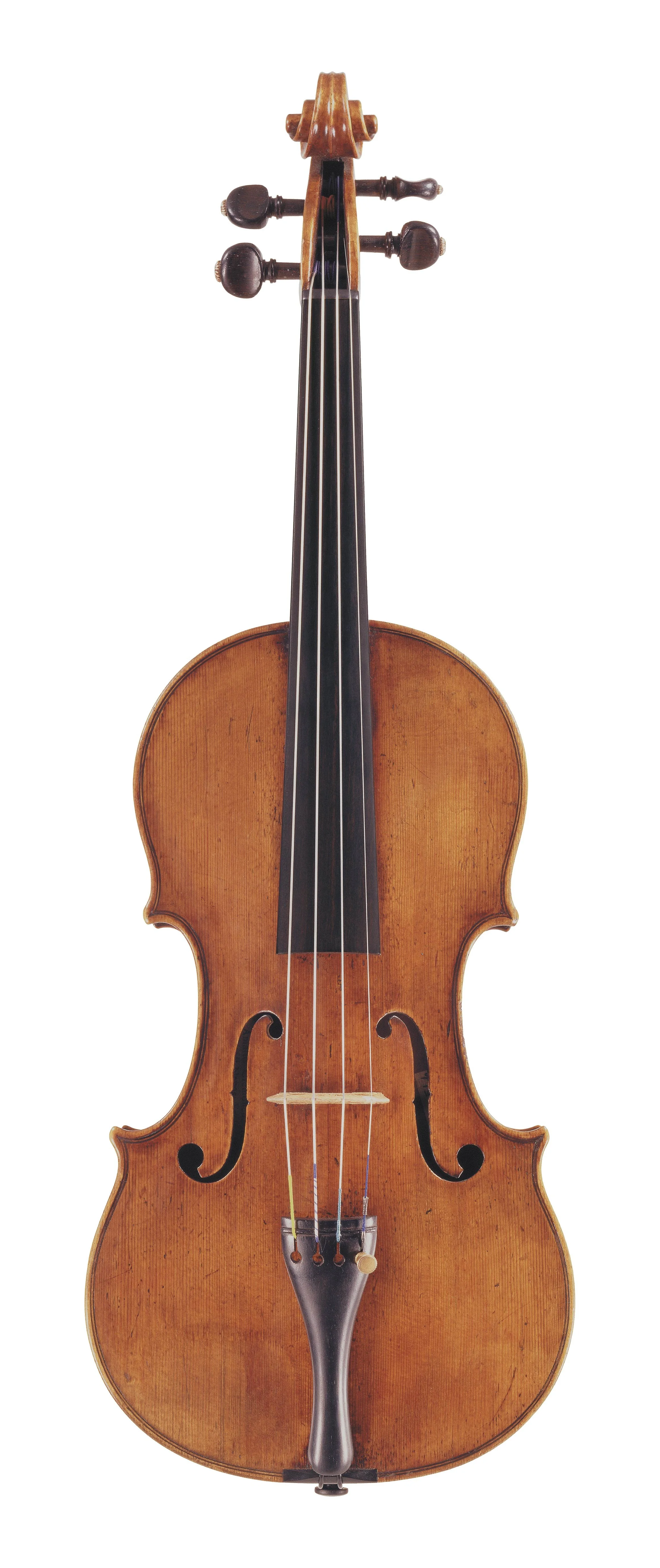
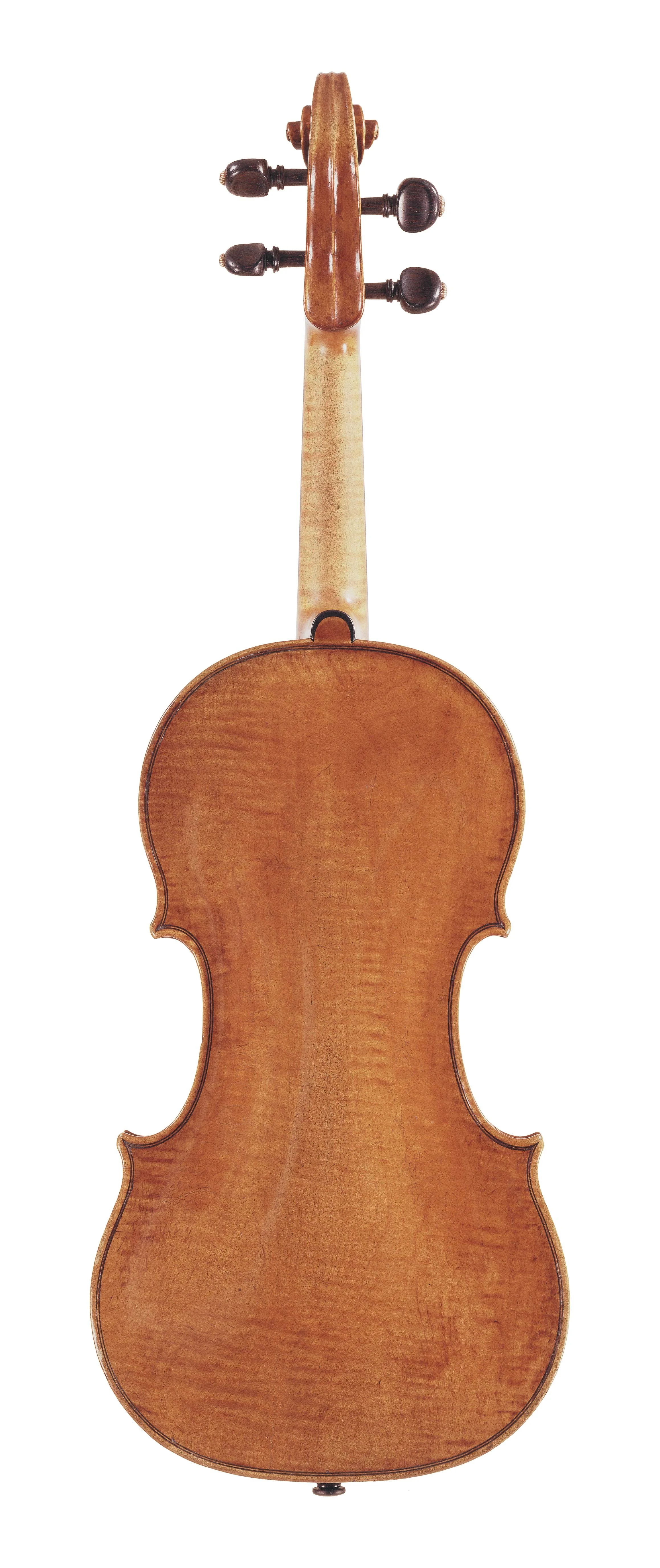
Nicolò Amati is regarded as one of the most important representatives of the Cremonese tradition of violin making. A member of the third generation of the Amati family, he continued the family workshop and, in the 1640s, developed the so-called “Grand Pattern” model, with broader proportions and a more powerful sound – an innovation that would later also influence his pupils Antonio Stradivari and Andrea Guarneri.
The violin shown here, dating from 1645, is a particularly broad example of this Grand Pattern type. W. E. Hill & Sons sold it to a Mr Silverman in 1945; three years later, in January 1948, Segelman acquired it from Voigt for £500. The instrument is remarkably well preserved. At first glance, it appears almost flawless, apart from a small filled area where a careless previous owner scratched the top – presumably with a tailpiece or another metal component. Only under closer examination and careful lighting do two expertly executed repairs become visible: an oval-shaped patch beneath the bridge, as well as approximately three square centimetres of replacement wood beneath each bridge foot. These are traces of a historic yet exceptionally skilful restoration, probably carried out by Hill themselves when the violin was exactly 300 years old.
The violin thus bears witness both to Amati’s bold craftsmanship and to the discreet yet masterful interventions of the restorers who have preserved it over the centuries.
Photos: © Ingles & Hayday, London
Anton Sorokow plays a violin by
Alessandro Gagliano
c. 1740, Napoli
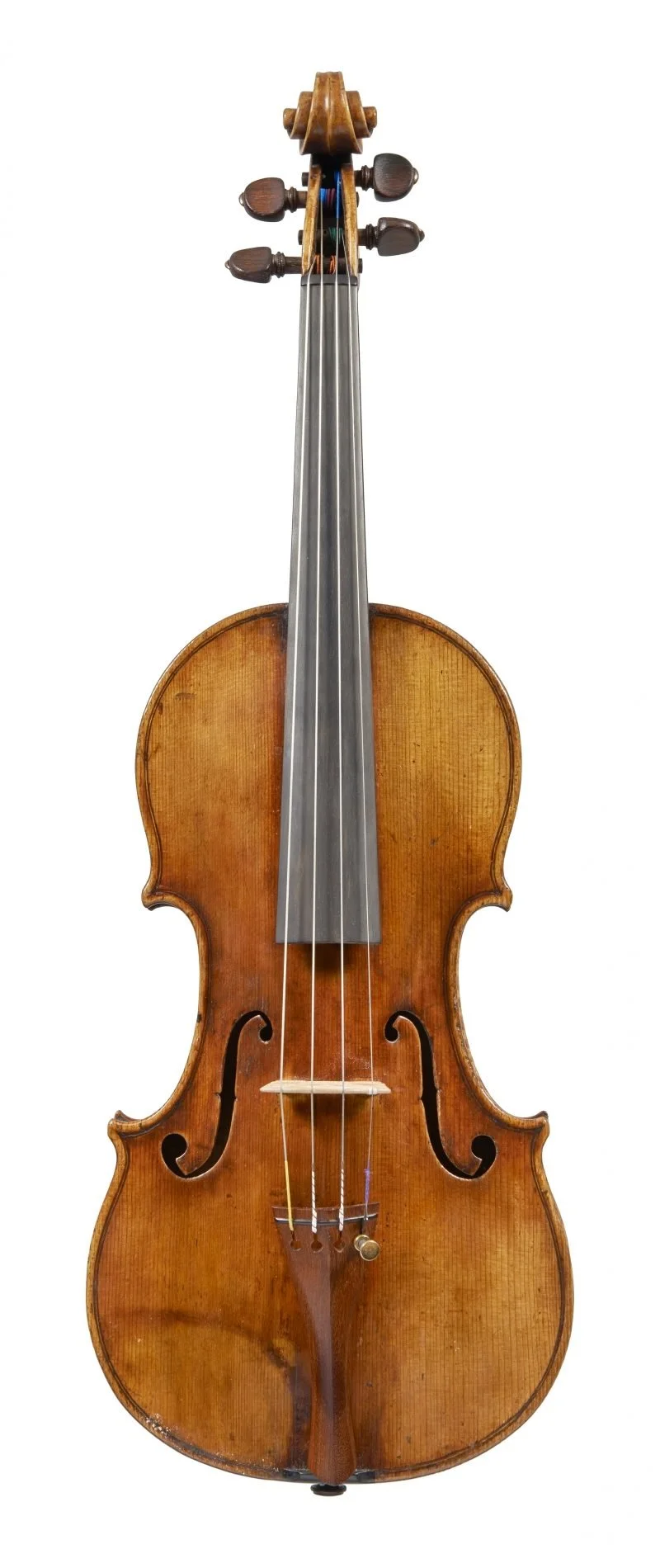
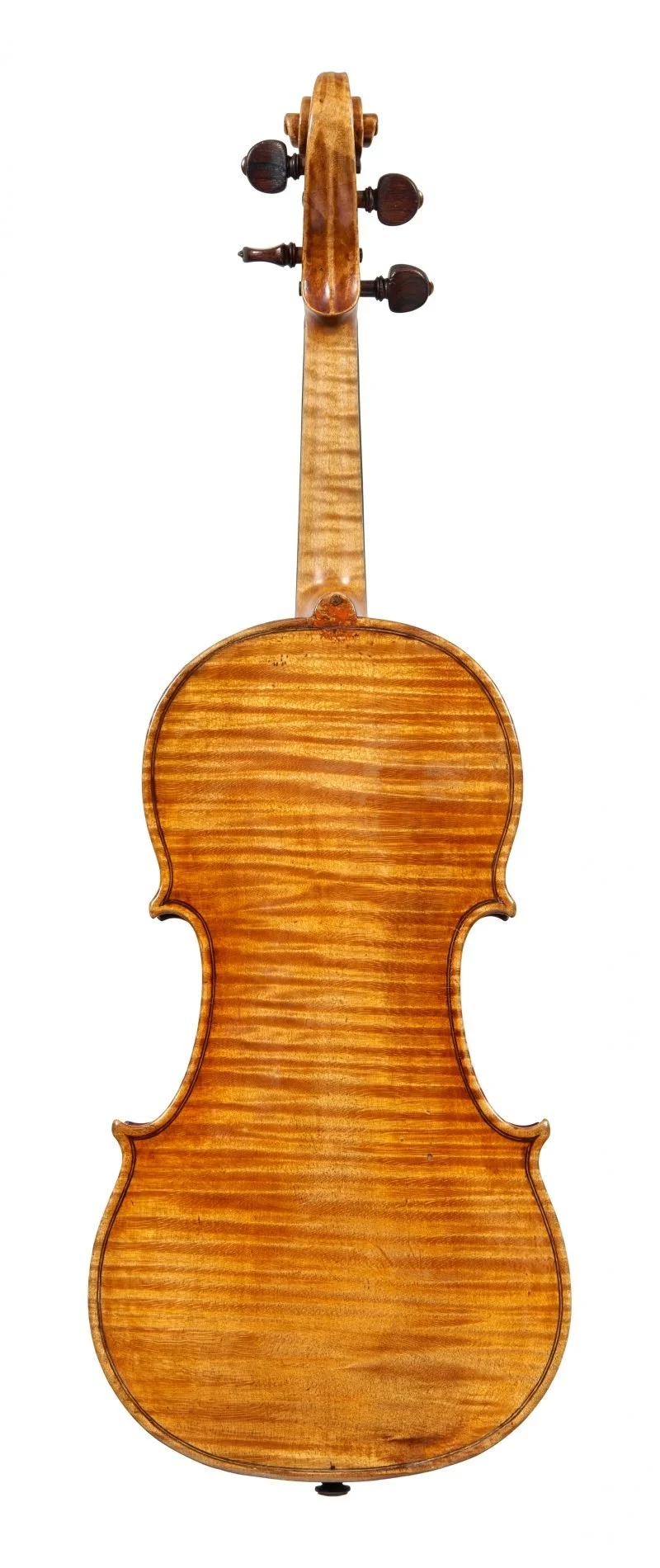
Alessandro Gagliano is regarded as the founder of the Neapolitan school of violin making, establishing a distinctive tradition within Italian instrument making that differed markedly from the Cremonese workshops of northern Italy. Gagliano himself claimed to have been a pupil of Stradivari – an assertion that cannot be conclusively verified. His instruments, however, are distinguished by a powerful, clearly defined construction and a warm, direct sound that continues to be highly valued today.
The violin presented here, dating from around 1720, was probably acquired by Segelman towards the end of 1942 after he had first become aware of it through an article in The Strad magazine. This was typical of Segelman’s approach, as he frequently sought out and contacted the owners of instruments featured in the specialist publication. The violin had previously belonged, among others, to a Mr Estall and a Mr Jackson of Gainsborough. It bears the label “Alumnus Stradivarius” – a designation that is better understood as an indication of artistic lineage rather than a literal claim of apprenticeship, particularly as the authenticity of the label itself has not been established.
The instrument is notable for its unusually narrow body and very long soundpost spacing, as well as for its broadly flamed, one-piece maple back, which invites comparison with other known Gagliano instruments. The exceptionally broad scroll is attributed to Januarius (Gennaro) Gagliano. Despite a small area of damage to the top beneath the tailpiece, the violin remains in impressively fine overall condition.
Through his workshop, Gagliano founded an important dynasty of violin makers that shaped the musical life of Naples for several generations and continues to be regarded as a distinctive counterpart to the Cremonese tradition.
Photos: © Ingles & Hayday, London
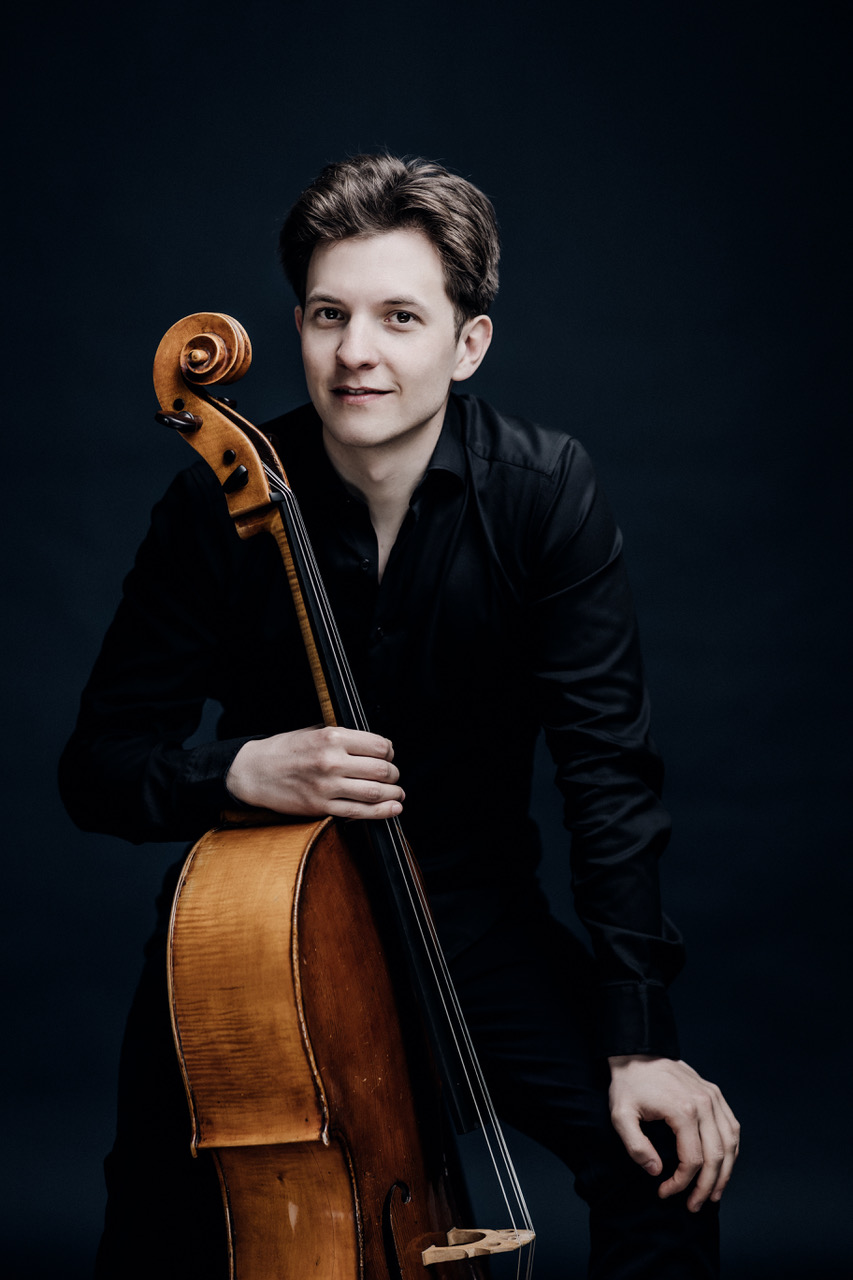
Lukas Plag plays a cello by
Vincenzo Sannino
c. 1900, Napoli
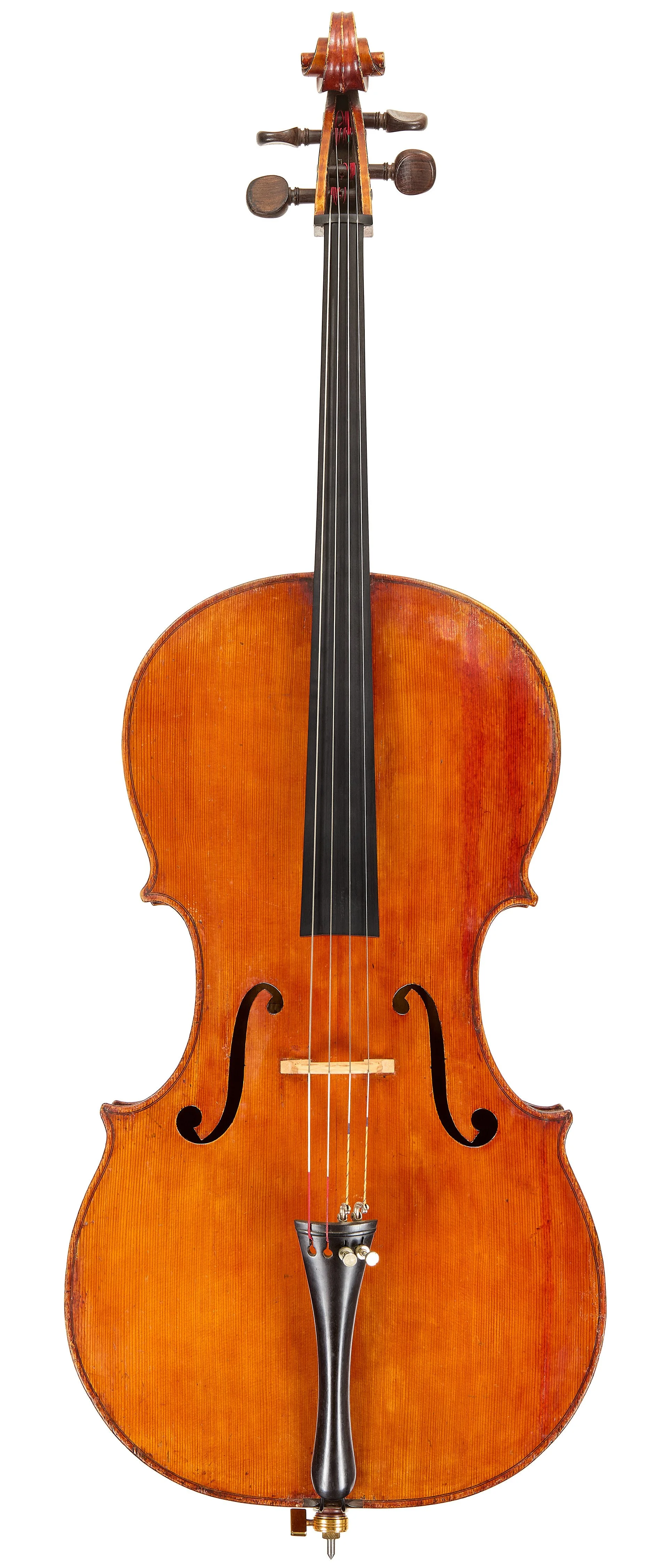
Vincenzo Sannino was born in Naples in 1879 and initially studied violin at the city’s conservatory before turning to violin making, largely as a self-taught craftsman. Stylistically, he was influenced above all by Giovanni Tedesco. Another important factor in his development was his acquaintance with the German instrument dealer Fridolin Hamma, whom he accompanied as an interpreter on his travels through Italy. These journeys broadened Sannino’s perspective beyond the Neapolitan tradition and introduced him to a variety of Italian schools of instrument making. His instruments are characteristically distinguished by elongated pegboxes with small, delicate scrolls terminating high above the eye.
The cello presented here, dating from around 1900, belongs to Sannino’s early period in Naples, before he later moved his activities to Rome. His cellos are particularly valued for their tonal depth, immediate response and versatility – qualities that make them well suited both to solo performance and chamber music. They combine the traditional Neapolitan approach to instrument making with a distinctive personal style shaped by a broad range of Italian influences.
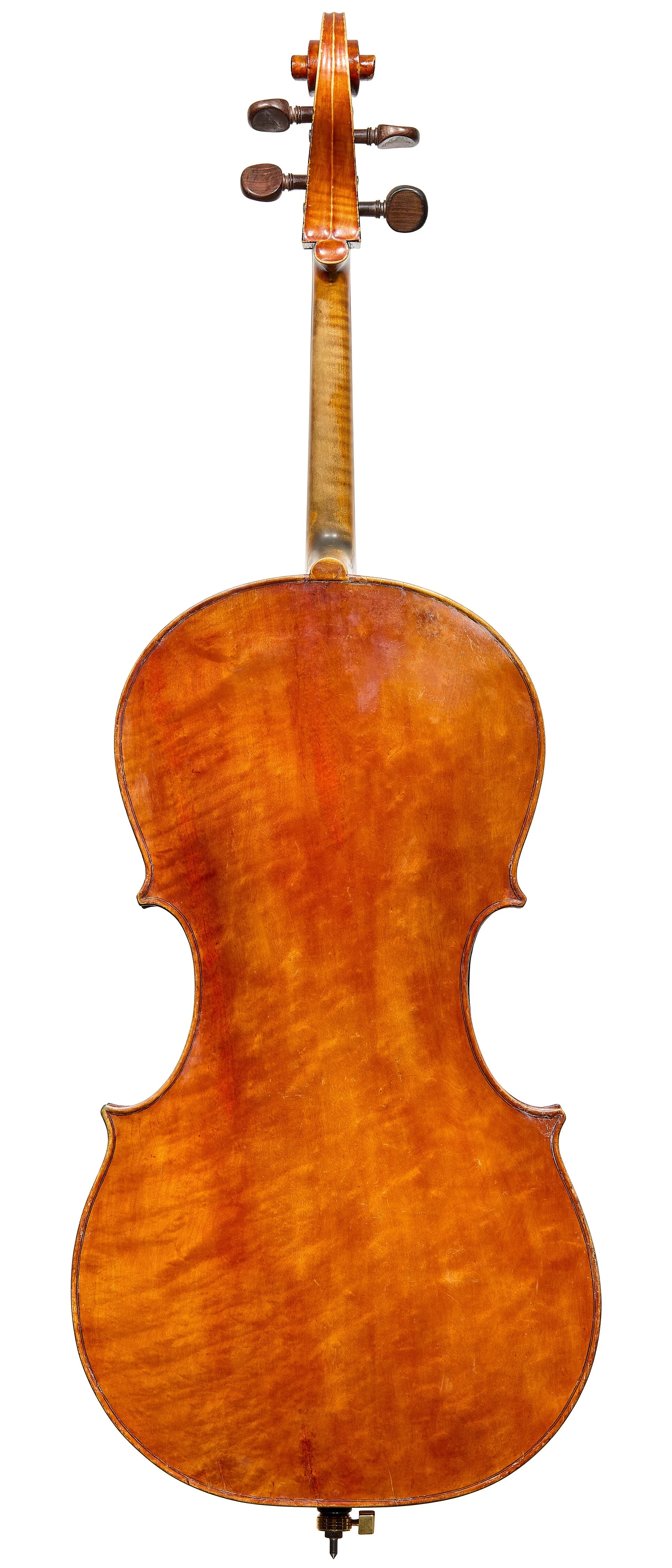
Photos Sannino : © Tarisio, New York
Photo Lukas Plag: Zuzanna Specjal
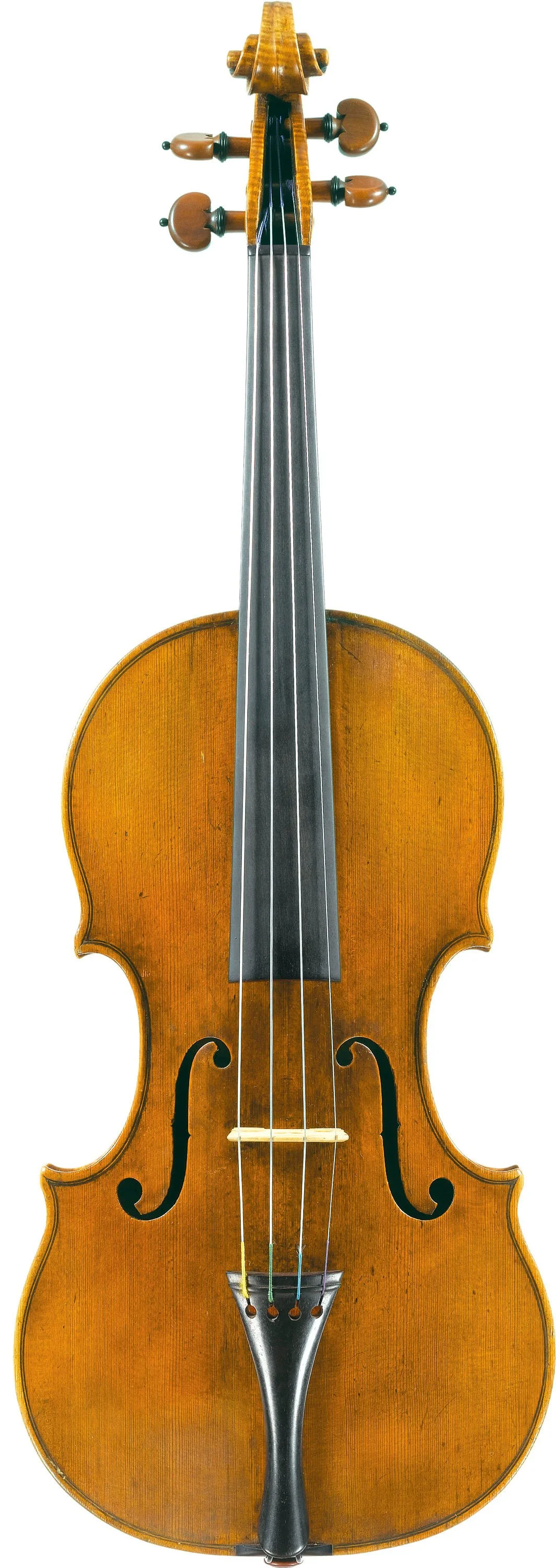
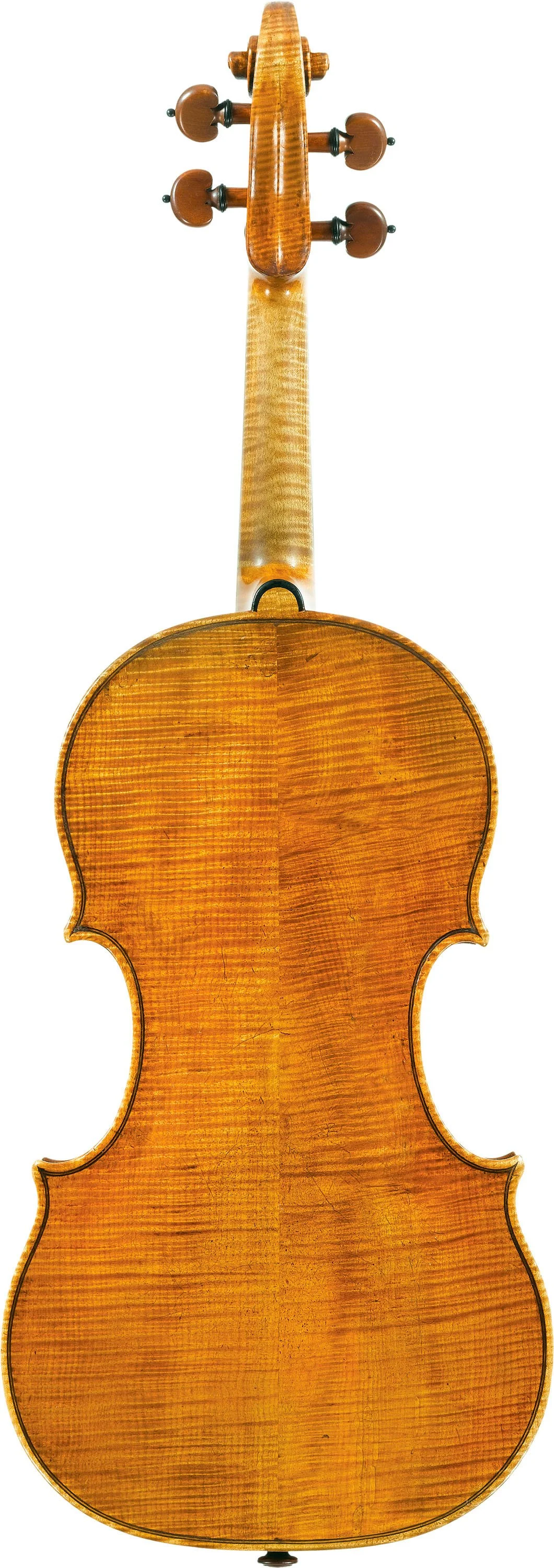
Philipp Krylov plays a violin by
Nicolò Amati
1666, Cremona
The 1666 violin by Nicolò Amati is one of the impressive examples of the later Cremonese tradition and is particularly distinguished by the exceptionally flamed maple used for the ribs, pegbox and scroll. This striking figure is especially evident from the front, enhanced by the pegbox sides being worked somewhat flatter than is usual for Amati. The later graft to the head blends seamlessly with the original.
Among the violin’s earlier owners was Walter Rilla in London, who acquired it through W. E. Hill & Sons in 1943 – another sale made during the war years. In 1952, the instrument first passed to Gerald Segelman’s brother Oscar, who also had an interest in music but, unlike Gerald, was considerably more enthusiastic about concertinas than violins. Later that same year, the violin entered Gerald’s own collection.
In 1996, the instrument was the subject of an extensive article by John Dilworth in The Strad, which examined its workmanship, arching, choice of wood and varnish in detail; the same issue was also accompanied by a large-format poster of the violin. Despite some visible signs of age – including larger repaired wormholes in the back and a repaired bass-bar crack in the top – the violin remains in remarkably fine overall condition, with its edges cleanly preserved.
Eva Ter-Sarkisova plays a violin by
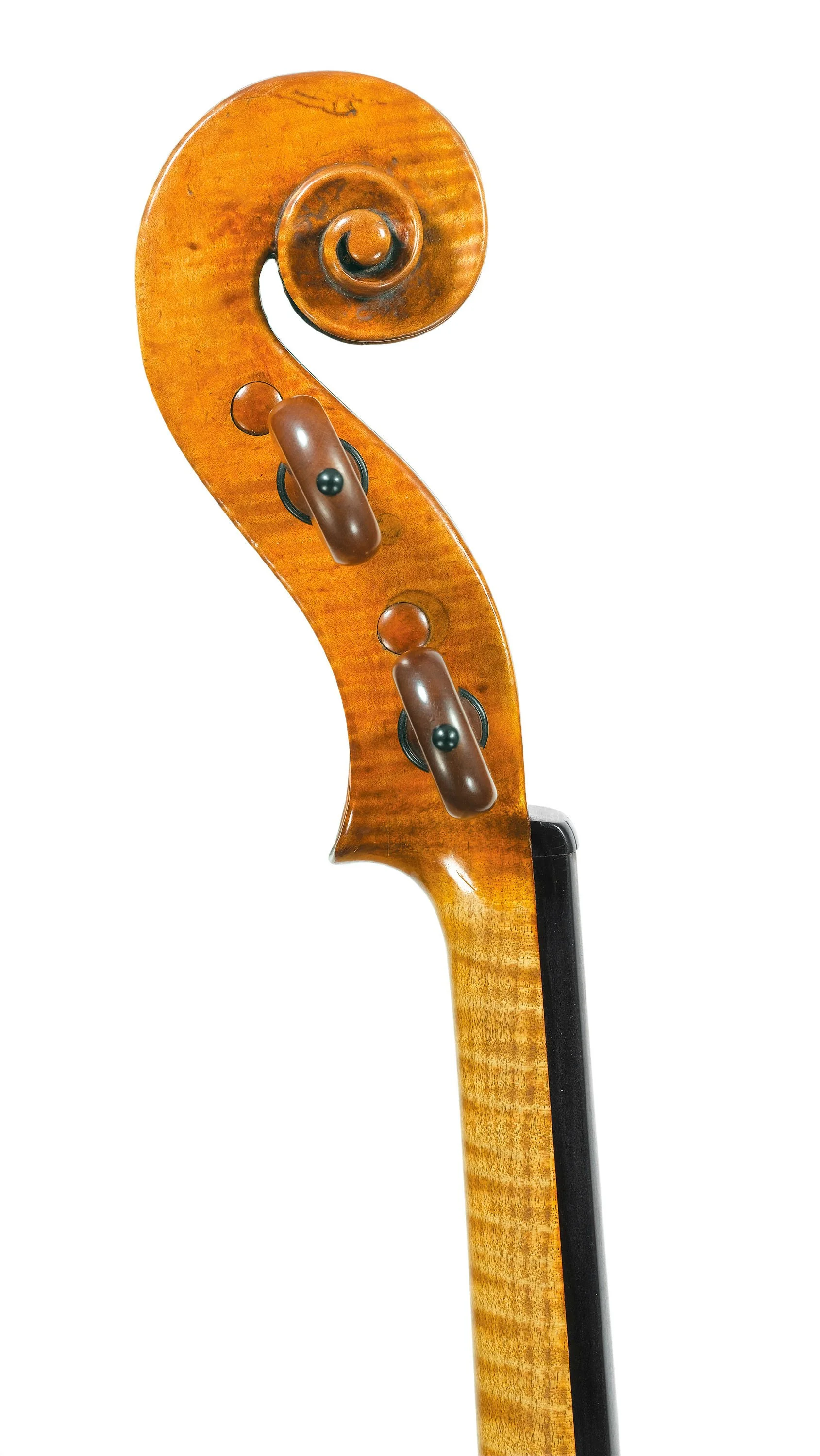
Giovanni Battista Rogeri
1703, Brescia
Giovanni Battista Rogeri is regarded as one of the most important representatives of the Brescian school of violin making and exemplifies the distinctive development of Italian violin making beyond the major centres of Cremona and Naples. Probably trained in Nicolò Amati’s workshop around 1670, he applied the principles he had learned there to his own work in Brescia, developing a highly individual style. His instruments combine the elegance of the Amati tradition with more substantial proportions and robust construction; particularly characteristic are their slender scrolls and the variety of models and sizes he employed.
The violin presented here, dating from 1703, is one of Rogeri’s larger models and was acquired by Gerald Segelman through W. E. Hill & Sons on 2 July 1943. It had previously belonged to the Scott Moncrieff family and later to an unidentified collector. The instrument was also illustrated in Walter Hamma’s Meister Italienischer Geigenbaukunst, although it was mistakenly dated there to 1702. In 1997, John Dilworth devoted an extensive article in The Strad to the violin.
The instrument has undergone a number of expertly executed restorations, including the repair of worm damage in the back, a partially grafted pegbox, several repaired cracks in the top and a restored soundpost crack. Particularly noteworthy are the original playing marks on the top and the largely preserved original outline of the edges. Despite the comparatively limited amount of original varnish that survives, the violin remains in remarkably fine overall condition and was considered by W. E. Hill & Sons to be exceptionally well preserved for its age.
Rogeri’s violins continue to be valued for their warm, resonant yet focused sound, qualities that make them equally compelling in chamber music and solo repertoire. His work represents an outstanding synthesis of the Cremonese tradition and a distinctly Brescian character, and ranks among the finest achievements of Italian violin making around 1700.
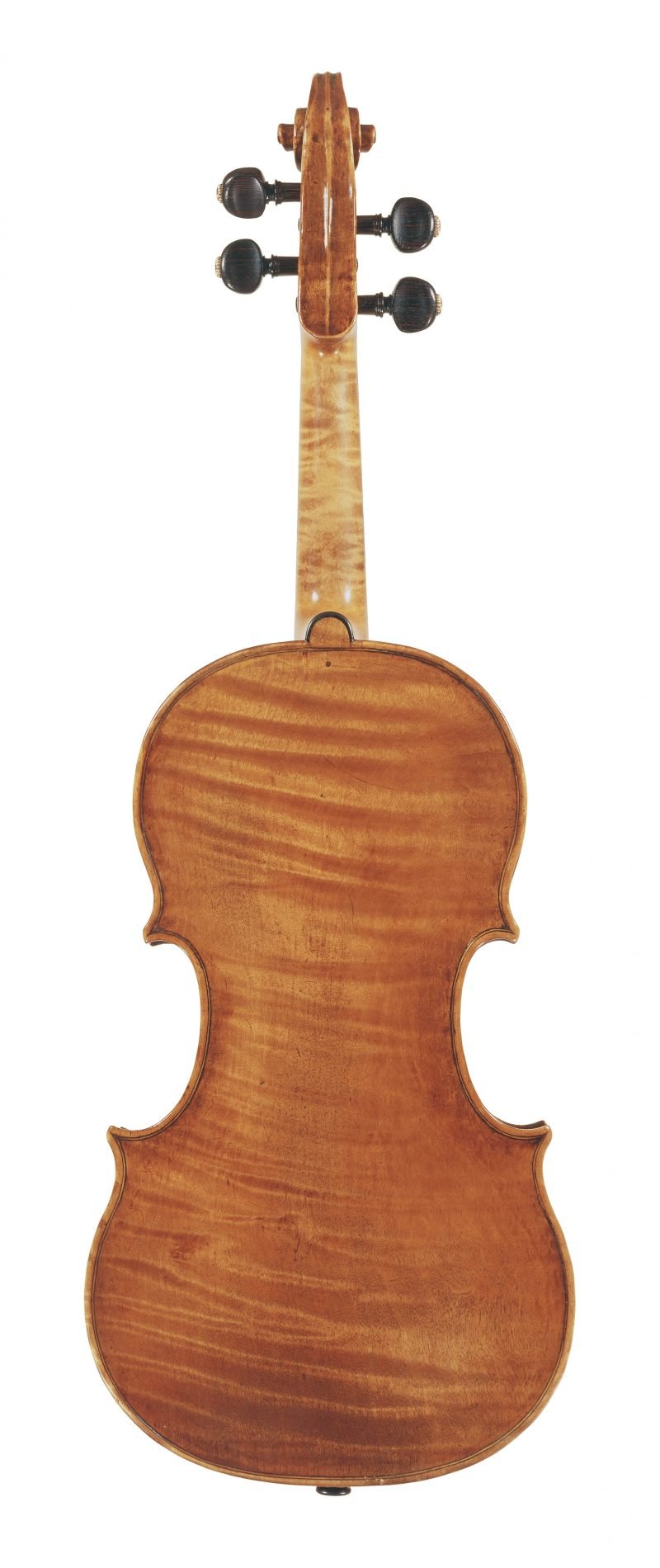
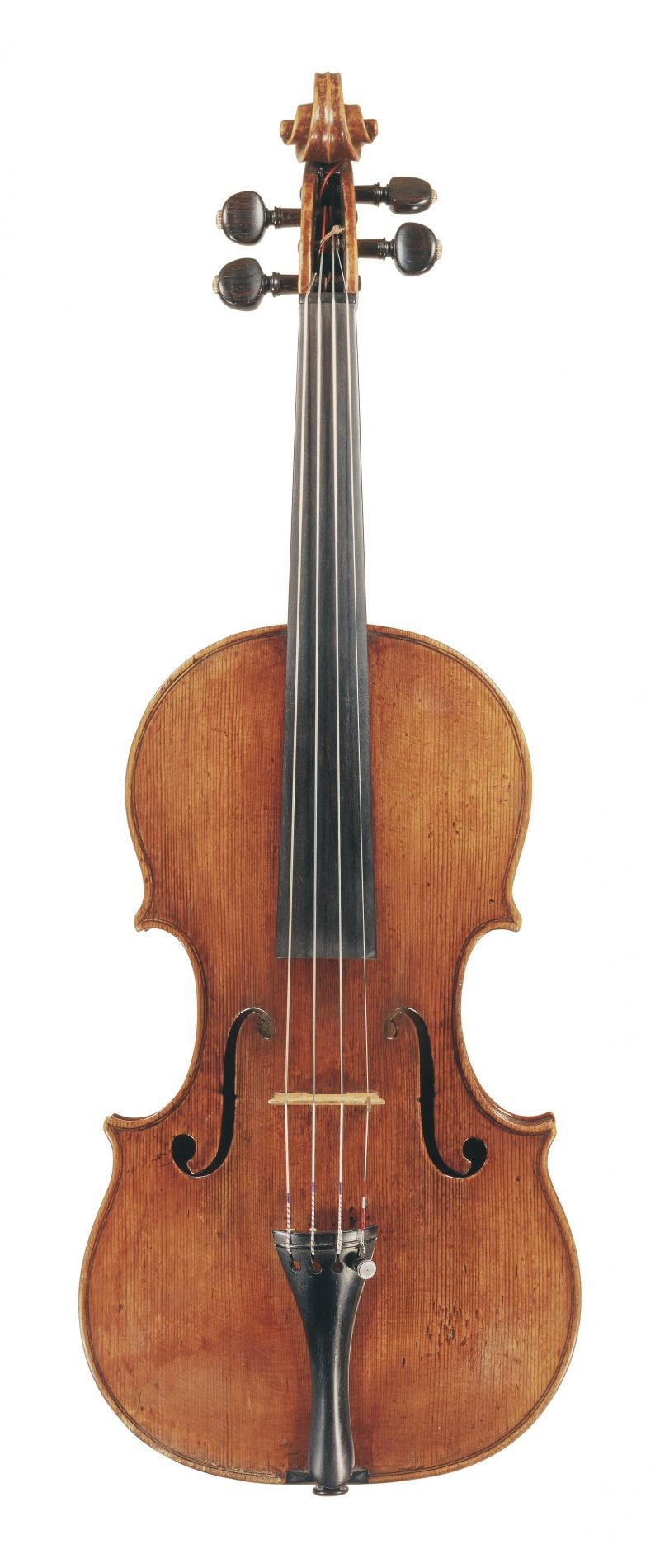
Photos: © Ingles & Hayday, London